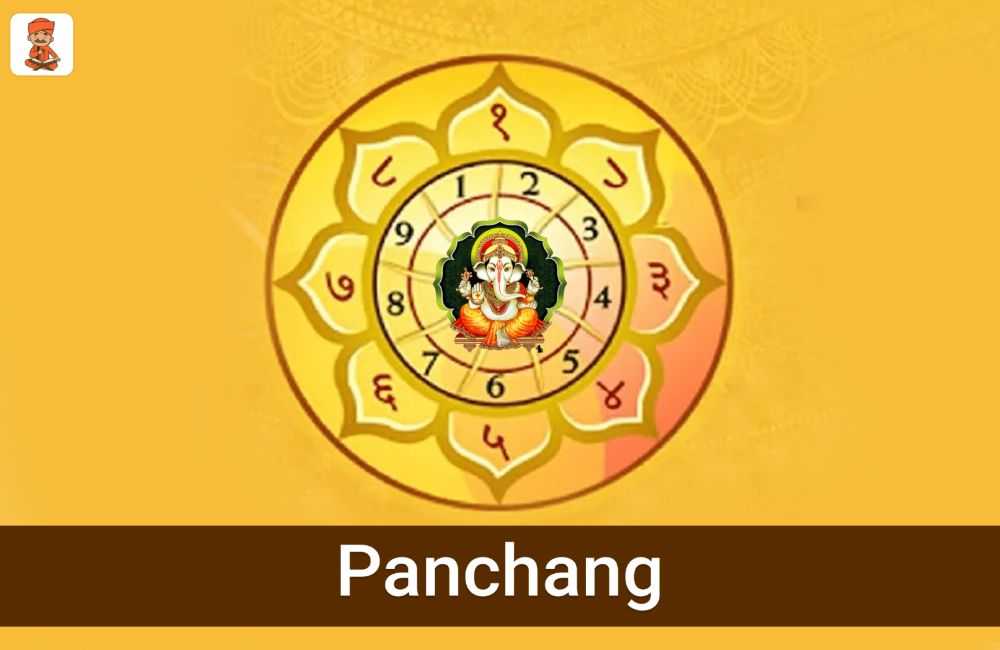
Panchang is one of the most important tools in Vedic astrology. The word Panchang comes from the Sanskrit words Pancha (five) and Anga (limbs), meaning “five parts.” It is a traditional Hindu calendar that provides detailed information about the quality of time on any given day. Rather than simply telling you the date, a Panchang helps you understand the energy of the day so you can plan important activities at the most favorable times.
For thousands of years, Panchang has been used by astrologers, priests, and families across India to choose the right time for weddings, housewarming ceremonies, business openings, religious rituals, travel, and many other significant life events. It is based on the movements of the Sun, Moon, and other celestial bodies, making it a powerful blend of astronomy and astrology.
The Five Elements of Panchang
A Panchang is built around five essential components, each offering a different perspective on the day’s planetary influences.
Tithi (Lunar Day)
A Tithi is the lunar day, determined by the changing angle between the Sun and the Moon. There are 30 Tithis in a lunar month, divided into the waxing phase (Shukla Paksha) and the waning phase (Krishna Paksha).
Each Tithi carries its own unique energy. Some are considered ideal for starting new ventures, while others are better suited for spiritual practices, meditation, or completing unfinished work. Understanding the Tithi helps people align their activities with the natural rhythm of the Moon.
Vara (Weekday)
Vara refers to the day of the week. Every weekday is ruled by a specific planet, which influences the type of activities that are considered favorable.
For example:
- Sunday is ruled by the Sun and represents leadership, confidence, and authority.
- Monday is ruled by the Moon and is associated with emotions, family, and peace.
- Tuesday belongs to Mars, making it suitable for courage, determination, and physical activities.
- Wednesday is ruled by Mercury and supports learning, communication, and business.
- Thursday belongs to Jupiter and is considered excellent for education, wisdom, and spiritual growth.
- Friday is ruled by Venus, making it favorable for love, relationships, beauty, and artistic pursuits.
- Saturday is governed by Saturn and encourages discipline, patience, and responsibility.
Nakshatra (Lunar Constellation)
The Moon travels through 27 Nakshatras, or lunar constellations, during its monthly journey around the Earth. The Nakshatra present at the time influences the emotional and spiritual atmosphere of the day.
Each Nakshatra has its own characteristics, strengths, ruling deity, and symbolism. Some Nakshatras support creativity and learning, while others are ideal for healing, business, travel, or religious ceremonies. Astrologers often use the Nakshatra to determine compatibility, select auspicious dates, and understand personality traits.
Yoga
Yoga is formed by combining the positions of the Sun and Moon. There are 27 Yogas, and each one reflects a different quality of cosmic energy.
Certain Yogas are believed to bring prosperity, success, happiness, and good fortune, while others may suggest caution or patience. The Yoga of the day helps determine whether it is a suitable time for beginning new projects, signing agreements, or making important life decisions.
Karana
Karana is half of a Tithi, making it a smaller but equally important division of time. There are 11 different Karanas that repeat in a specific sequence throughout the lunar month.
Each Karana has its own influence on daily activities. Some are considered highly favorable for business, travel, construction, and financial matters, while others are better reserved for routine tasks or spiritual practices.
Why Is Panchang Important?
Panchang is much more than a calendar—it is a guide for living in harmony with the natural cycles of the universe. It helps individuals choose the right time for important decisions, increasing the likelihood of success while reducing unnecessary obstacles.
People commonly consult the Panchang before:
- Marriage ceremonies
- Housewarming (Griha Pravesh)
- Starting a new business
- Purchasing property or vehicles
- Religious rituals and festivals
- Travel
- Naming ceremonies
- Investments and financial decisions
By selecting an auspicious time, many believe they invite positive energy, prosperity, and peace into their lives.
Panchang in Everyday Life
Even if you are not deeply involved in astrology, checking the Panchang can become a meaningful daily practice. It offers insight into the day’s energy and encourages mindful planning. Whether you are beginning an important project, performing a religious ritual, or simply seeking a better understanding of cosmic influences, Panchang serves as a timeless guide rooted in the wisdom of Vedic tradition.
For centuries, Panchang has helped people align their actions with nature’s rhythm. Its enduring relevance lies in its ability to combine astronomical precision with spiritual insight, making it a valuable companion for anyone seeking balance, clarity, and auspicious beginnings.