
The Puranas are among the most important and fascinating texts of ancient Indian tradition. The word “Purana” means “ancient” or “old story.” These texts contain stories, teachings, history, philosophy, descriptions of the universe, traditions, and guidance about how human beings should live a meaningful and righteous life. Unlike the Vedas, which are considered highly philosophical […]
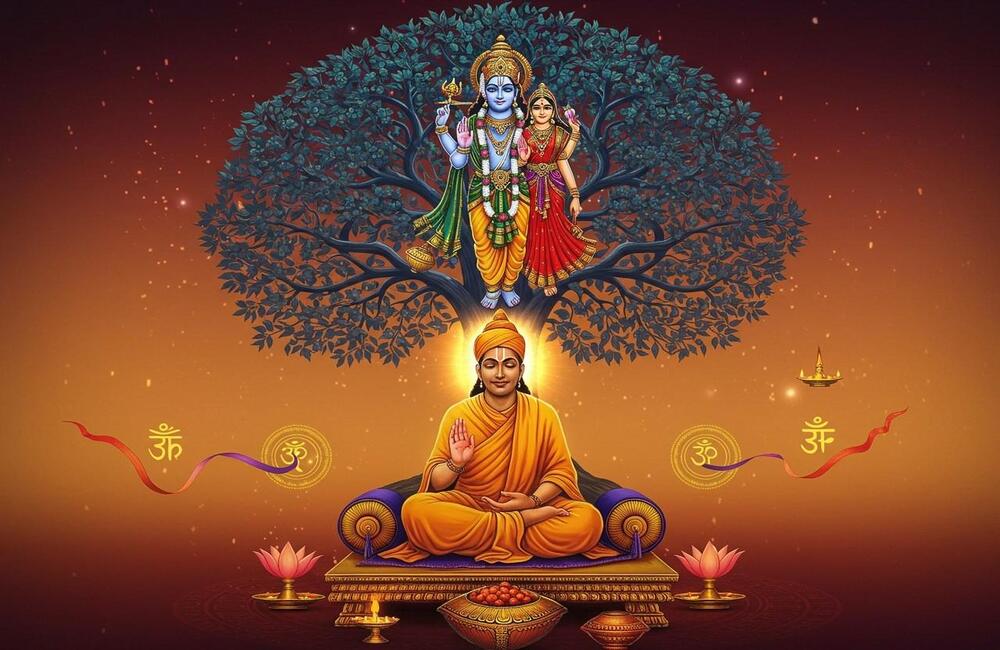
Vishishtadvaita Vedanta is one of the major schools of Indian philosophy. The word Vishishtadvaita means “qualified non-dualism”: Vishishta -qualified, with attributes or qualitiesAdvaita -non-duality, oneness It teaches that there is one ultimate reality (Brahman), but that reality includes diversity within it. The universe and individual souls are real and are connected to Brahman, rather than […]
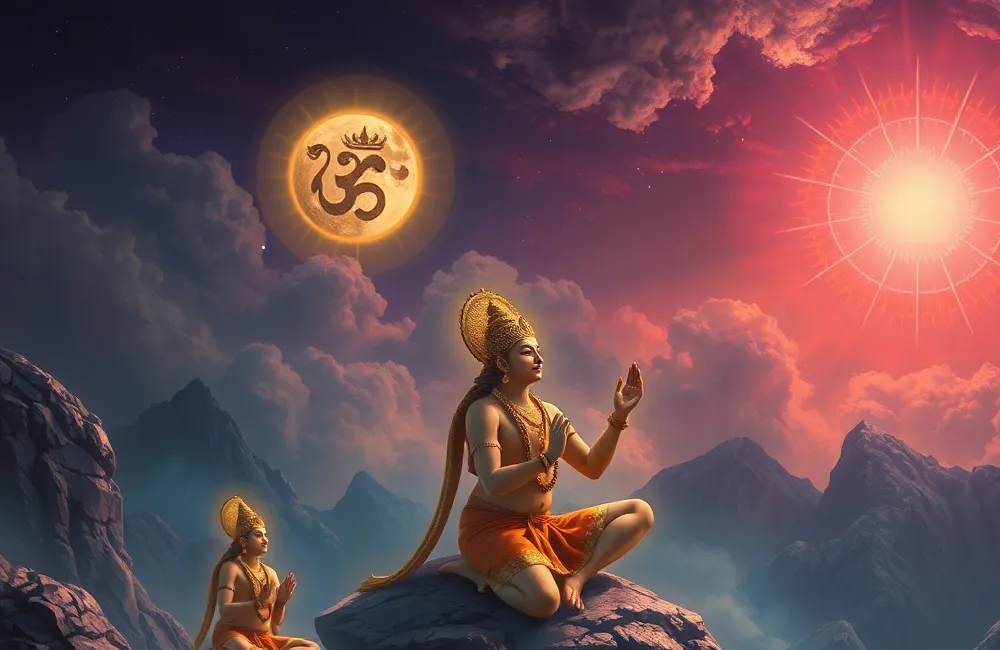
Moksha (मोक्ष) is one of the most profound and central concepts in Indian philosophy. Derived from the Sanskrit root muc, meaning “to liberate” or “to release,” Moksha refers to liberation from the endless cycle of birth, death, and rebirth (Samsara). It is considered the highest goal of human existence in Hindu philosophy and represents the […]
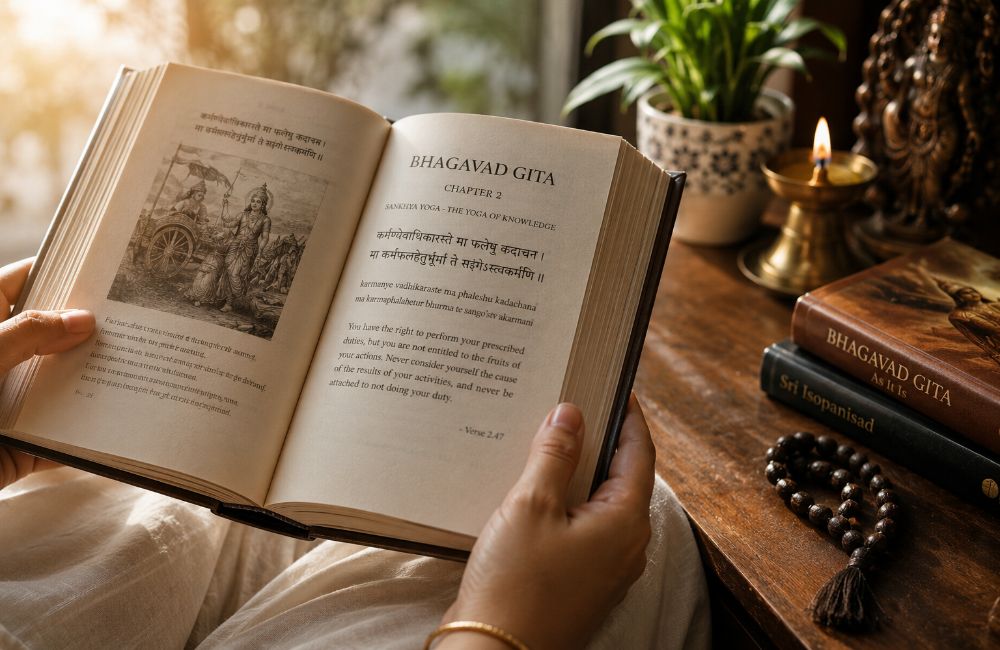
The Bhagavad Gita is one of the world’s most respected philosophical and spiritual texts. Written more than two thousand years ago as part of the Indian epic, the Mahabharata, it is much more than a religious scripture. At its heart, the Gita is a conversation about life-its challenges, responsibilities, emotions, choices, and purpose. Although it […]