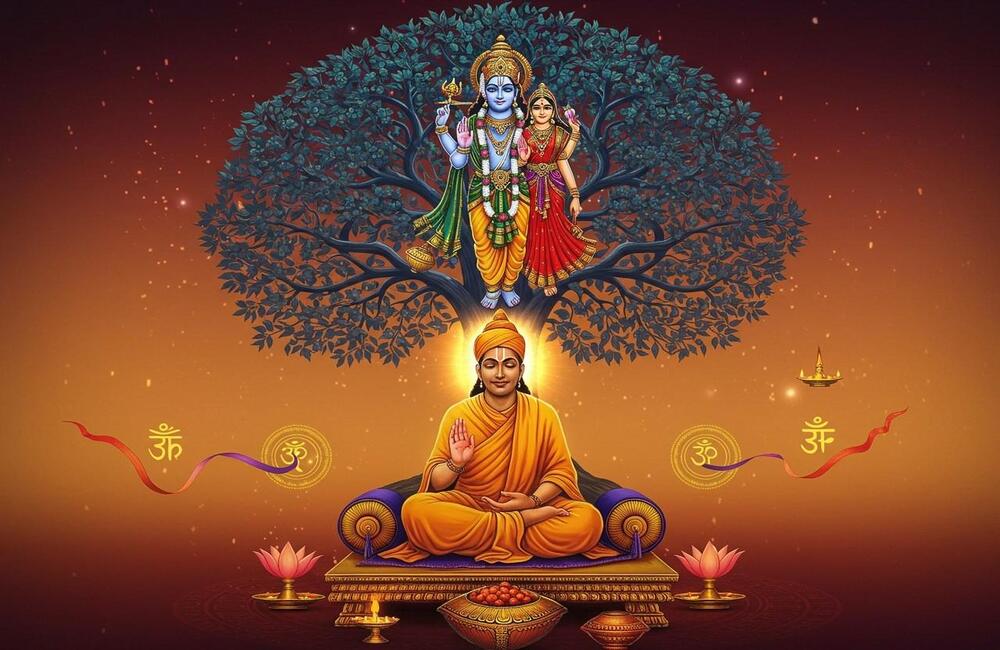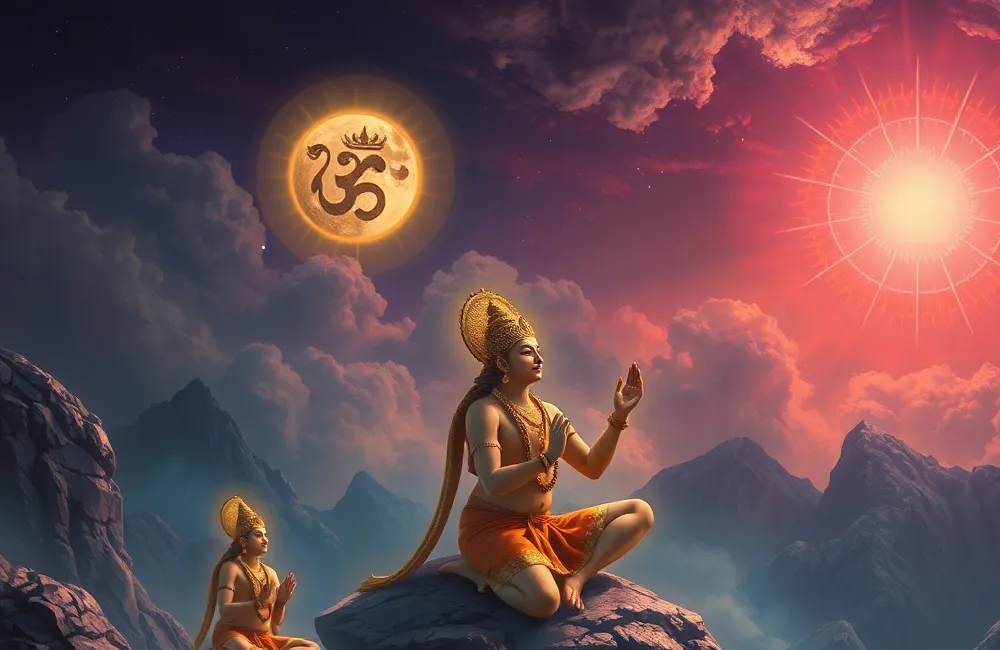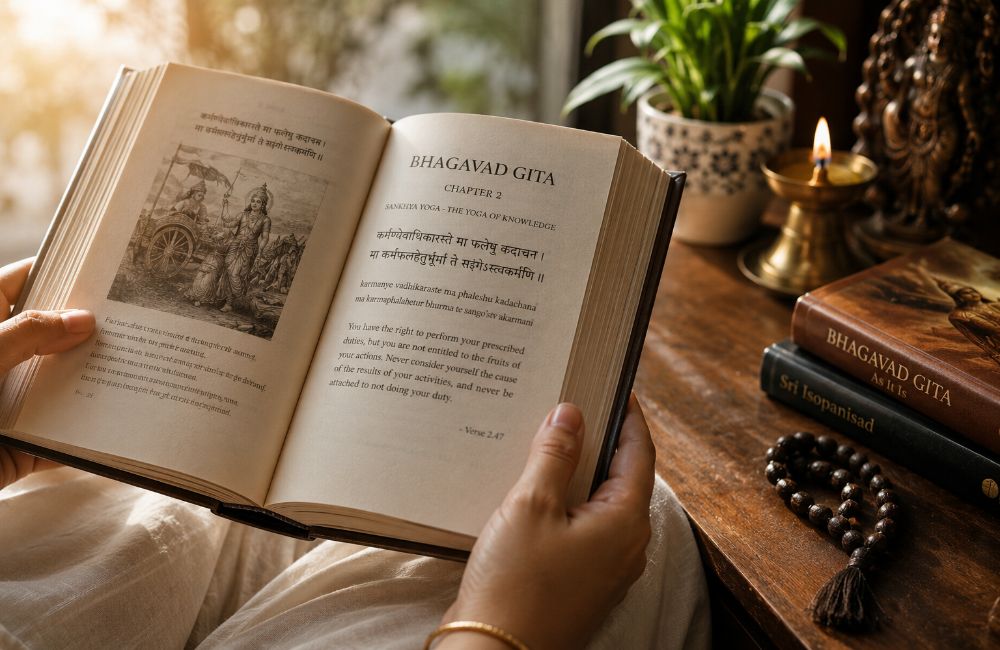

The Puranas are among the most important and fascinating texts of ancient Indian tradition. The word “Purana” means “ancient” or “old story.” These texts contain stories, teachings, history, philosophy, descriptions of the universe, traditions, and guidance about how human beings should live a meaningful and righteous life.
Unlike the Vedas, which are considered highly philosophical and difficult for many people to understand, the Puranas explain spiritual ideas through simple stories and examples. They were created to make knowledge about God, Dharma (right conduct), and the purpose of life easier for ordinary people to understand.
Traditionally, the Puranas are connected with the great sage Ved Vyasa, who is believed to have organized many important Hindu scriptures. Over many centuries, different sages and scholars preserved, expanded, and passed these texts from one generation to another.
Purpose of the Puranas
The main purpose of the Puranas is to guide people toward a better life. They teach that human beings should live with truth, kindness, devotion, discipline, and respect for all living beings.
The Puranas explain deep spiritual concepts through stories of gods, goddesses, sages, kings, and devotees. These stories are not only meant for entertainment but also carry moral and spiritual lessons.
For example:
- The story of Prahlada teaches the power of faith and devotion.
- The story of Dhruva teaches determination and dedication.
- The story of King Harishchandra teaches truthfulness and honesty.
Through such examples, the Puranas show how good qualities can help a person overcome difficulties.
Main Subjects Described in the Puranas
Traditionally, a Purana is said to describe five important subjects:
- Creation of the Universe
The Puranas describe how the universe came into existence and explain different ideas about creation and the relationship between the Creator and creation.
- Cycles of Creation and Destruction
According to Puranic thought, the universe goes through repeated cycles of creation, preservation, and destruction.
- Genealogy of Gods and Sages
The Puranas describe the origins and family lines of gods, sages, and important royal dynasties.
- Stories of Kings and Great Personalities
They contain accounts of rulers, saints, and devotees who represent different qualities such as courage, wisdom, devotion, and sacrifice.
- Teachings about Dharma and Spiritual Life
The Puranas explain duties, moral values, religious practices, pilgrimage, meditation, and devotion.
The Eighteen Mahapuranas
Hindu tradition recognizes eighteen major Puranas, known as the Mahapuranas. Some of the most famous among them are:
- Vishnu Purana – Describes the greatness of Lord Vishnu, creation, and spiritual teachings.
- Bhagavata Purana -Famous for its detailed descriptions of Lord Krishna’s life and the importance of devotion.
- Shiva Purana – Explains the glory of Lord Shiva and different aspects of Shiva worship.
- Devi Bhagavata Purana -Describes the greatness of the Divine Mother.
- Garuda Purana – Discusses spiritual knowledge, karma, life after death, and moral principles.
- Skanda Purana -The largest Purana, containing stories about Lord Shiva, pilgrimage places, and traditions.
Each Purana has its own focus, but all aim to teach spiritual wisdom and righteous living.
Importance of Devotion in the Puranas
One of the most important messages of the Puranas is the path of Bhakti (devotion). They teach that a person can develop a close relationship with God through love, faith, prayer, and surrender.
The Puranas explain that devotion is not only about rituals but also about developing qualities like humility, compassion, forgiveness, and kindness.
The Puranas and Everyday Life
The teachings of the Puranas remain relevant even today because they focus on values that every person needs.
- Learning Patience and Faith
The stories of devotees show that patience and faith can help people face difficult situations.
- Developing Good Character
The Puranas encourage honesty, self-control, respect, and responsibility.
- Respecting Nature
Many Puranic teachings show that rivers, forests, animals, and the Earth are sacred and should be protected.
- Improving Relationships
By teaching compassion and forgiveness, the Puranas help people create better relationships with family and society.
- Finding Inner Peace
Prayer, meditation, and remembrance of the Divine can help reduce stress and bring mental stability.
Difference Between Vedas and Puranas
The Vedas are considered the oldest sacred scriptures of Hindu tradition and mainly focus on spiritual knowledge, rituals, and cosmic principles. The Puranas, on the other hand, explain these ideas through stories and practical examples, making them easier for common people to understand.
The Puranas are a valuable part of India’s spiritual and cultural heritage. They are not simply collections of ancient stories; they are sources of wisdom that teach people how to live with honesty, devotion, compassion, and responsibility.
The central message of the Puranas is that human life has a deeper purpose. By following Dharma, developing devotion, and treating all beings with respect, a person can achieve inner peace and spiritual growth.